Suspect material identification
We review the areas to be disturbed and identify materials that may contain asbestos based on type, age, and condition.
Serving Union, Mount Laurel & Surrounding New Jersey Communities
Identification of suspect building materials, careful bulk sampling, and laboratory analysis by polarized light microscopy (PLM) — before renovation or demolition of homes and commercial buildings.
Asbestos was used in many building products, especially in buildings constructed before the 1980s. The only way to know whether a material contains asbestos is laboratory analysis.
We identify materials that may contain asbestos in the areas you plan to disturb, collect small bulk samples using careful, controlled techniques, and submit them for laboratory analysis. The results help homeowners, contractors, and property managers plan renovation or demolition work appropriately.
Prime Environmental provides inspection and testing only. We do not perform asbestos abatement.
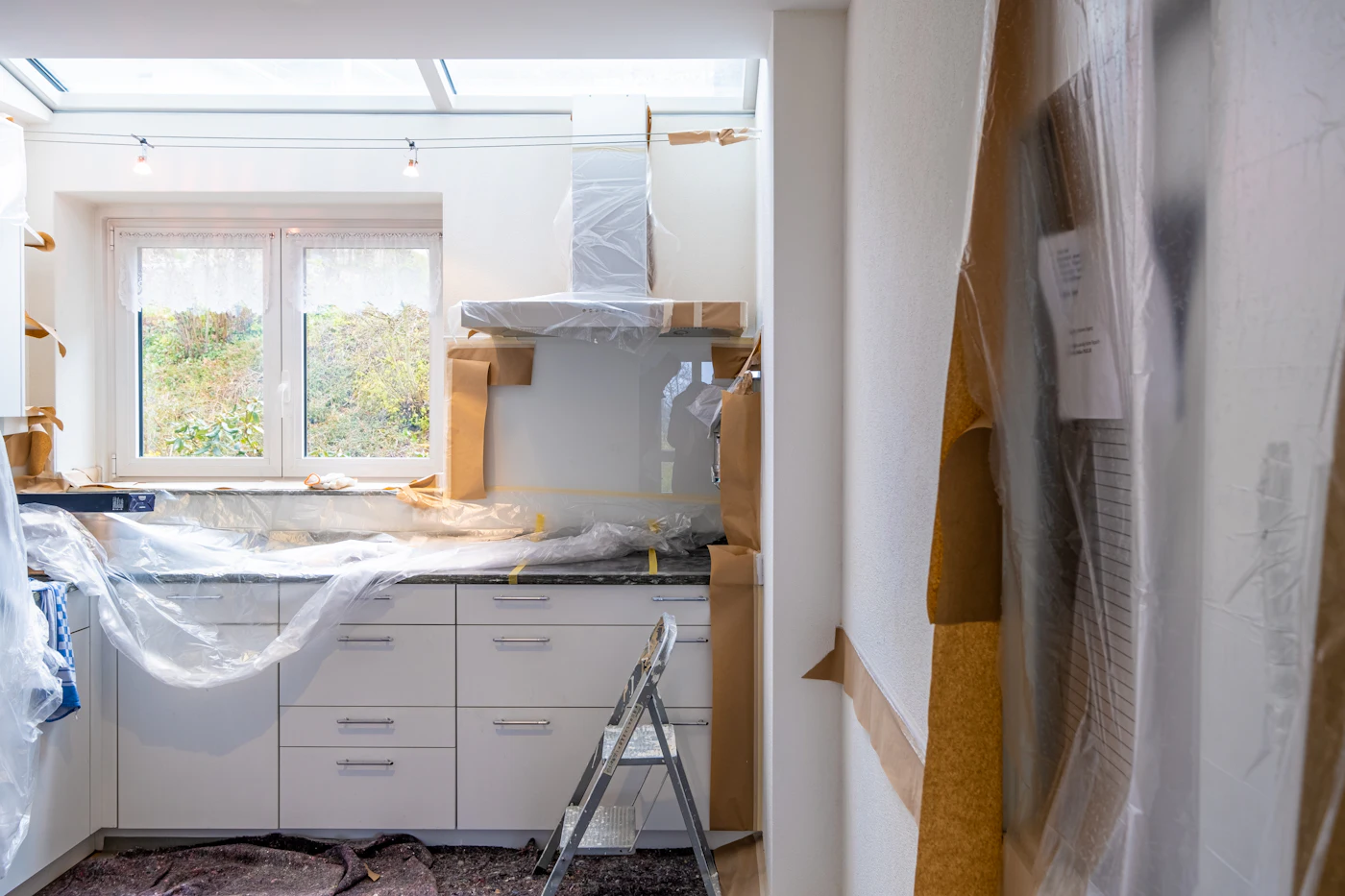

The scope is based on the materials in the work area and the type of project.
We review the areas to be disturbed and identify materials that may contain asbestos based on type, age, and condition.
Small samples of each suspect material are collected using controlled techniques that limit disturbance, then sealed and labeled.
Bulk samples are commonly analyzed by polarized light microscopy (PLM), which identifies asbestos fibers and estimates their percentage.
Kitchen, bathroom, flooring, and basement projects can disturb suspect materials. Testing first helps you plan the work.
Demolition projects often require a survey of suspect materials before work begins. Tell us about your project so we can confirm the scope.
Sample locations are kept small and the area is cleaned up after sampling.
Commonly sampled materials include floor tiles and mastics, ceiling tiles and textured ceilings, pipe and boiler insulation, roofing and siding materials, joint compound, plaster, and some window glazing and caulks.
The laboratory reports whether asbestos is detected and its estimated percentage in each sample. Under federal definitions, materials containing more than 1% asbestos are considered asbestos-containing. For certain materials — such as some floor tiles — the laboratory may recommend additional analysis when PLM results are negative.
Specific equipment and laboratory methods depend on the question being asked and the laboratory used.
Asbestos testing answers a specific question: does this sampled material contain asbestos? Keep these limits in mind.
If renovation work exposed or damaged a material that may contain asbestos, stop work in the area and call or text either location — anytime — to arrange testing.
Emergency availability refers to customer assistance and inspection arrangements, not guaranteed immediate arrival or same-day laboratory results.
Yes. Pre-demolition sampling of suspect materials is one of the most common reasons for asbestos testing. Describe the project when you book so we can discuss the appropriate scope.
Polarized light microscopy is a laboratory method commonly used to analyze bulk building-material samples. It identifies asbestos fibers and estimates the percentage present.
Materials in the area you plan to disturb that could contain asbestos — for example floor tiles and mastic, ceiling materials, pipe insulation, roofing, siding, joint compound, and plaster.
We do not recommend it. Sampling can release fibers if not done carefully, and improperly collected samples may not be accepted for the purpose you need.
No. We provide inspection and testing only. Asbestos abatement must be performed by an appropriately licensed contractor.
Choose Union or Mount Laurel, confirm the service, and request a time. Asbestos Testing will be preselected for you.

Step 1 of 7 — Location
